Temple Border Weaving in Traditional Silk Sarees
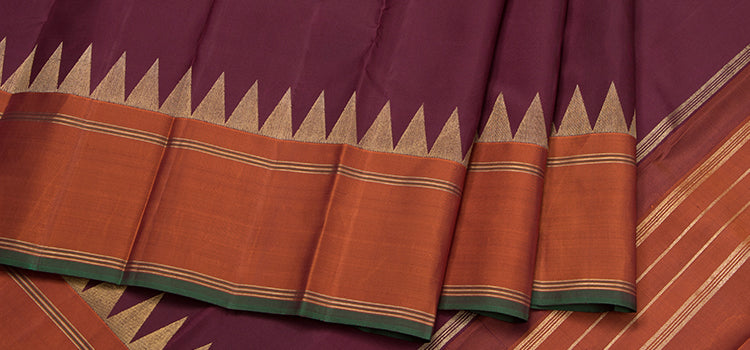
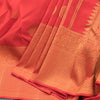
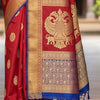
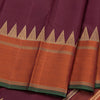
Temple border weaving is one of the most iconic and sacred design elements found in traditional Indian silk sarees, especially in Kanchipuram silk sarees. Inspired by the majestic architecture of South Indian temples, this weaving style reflects devotion, heritage and artistic excellence. The distinctive border pattern resembles the stepped structure of temple gopurams, making it instantly recognisable and deeply symbolic.
Historically, temple border silk sarees were woven for rituals, festivals and royal patronage. The design was believed to offer protection and divine blessings to the wearer. Skilled weavers incorporated this motif using pure zari threads, carefully interlocking the border with the saree body through age-old handloom techniques. This precision ensures durability and highlights the exceptional craftsmanship of authentic handloom silk sarees.
The significance of temple border weaving lies in its spiritual and cultural meaning. The repeated triangular or rectangular patterns represent strength, stability and prosperity. Because of this symbolism, temple border silk sarees are highly preferred for weddings, bridal ceremonies and religious occasions. They are considered auspicious and timeless.
In contemporary fashion, temple border weaving continues to evolve. While traditional gold zari borders remain popular, modern interpretations feature pastel shades, contrast colours and minimalist motifs, appealing to younger silk saree lovers. Despite these updates, the essence of the design remains rooted in tradition.
At kumaransilksonline.com, temple border silk sarees celebrate authentic craftsmanship and cultural pride. Choosing a silk saree with a temple border is more than a style choice—it is an expression of heritage, devotion and enduring elegance passed down through generations.