Origin of Kanchipuram Silk Sarees
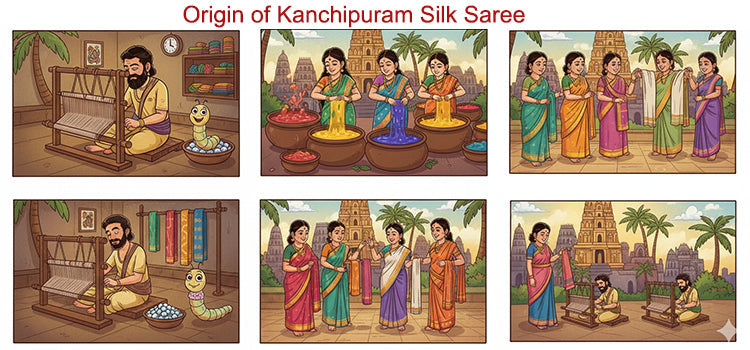
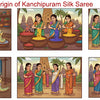
The origin of Kanchipuram silk sarees is deeply rooted in the historic temple town of Kanchipuram in Tamil Nadu, often referred to as the “Silk City of India.” This centuries-old weaving tradition dates back over 400 years and flourished under royal patronage and temple culture. Skilled weavers migrated to Kanchipuram from Andhra regions, bringing with them advanced weaving knowledge that shaped the identity of authentic Kanchipuram silk sarees.
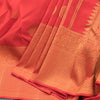
Kanchipuram sarees are traditionally woven using pure mulberry silk sourced from South India and rich zari made from silver threads coated with gold. What sets them apart is the unique handloom technique where the saree body, border and pallu are woven separately and interlocked with precision. This method gives Kanchipuram silk sarees their signature contrast borders, durability and luxurious weight.
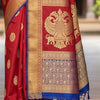
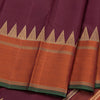
Historically, these silk sarees were worn during temple rituals, weddings and royal ceremonies, symbolising prosperity, devotion and social status. Motifs inspired by South Indian temples, mythology, nature and architecture became integral to the weave. Designs such as temple borders, checks, stripes and traditional buttas continue to define the classic Kanchipuram style.
Over time, Kanchipuram silk sarees evolved while preserving their cultural essence. Today, they are cherished as bridal silk sarees and festive wear across India and globally. Each saree reflects the dedication of handloom artisans who preserve this heritage through generations.
The enduring appeal of Kanchipuram silk sarees lies in their authenticity, craftsmanship and timeless elegance—making them not just garments, but treasured symbols of India’s rich textile legacy.