South Indian Silk Weavers: History
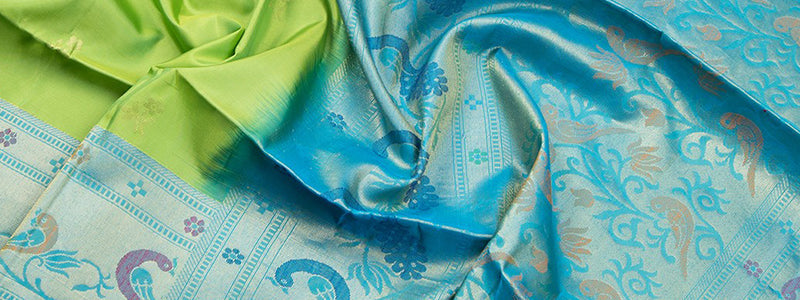
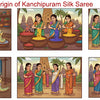
The history of silk saree weaving in South India is a rich tapestry of tradition, devotion, and artistry passed down through generations. In regions like Kanchipuram and Mysore, weaving is not merely an occupation but a cultural inheritance deeply tied to temple traditions and royal patronage. Ancient inscriptions suggest that silk weaving flourished under the support of the Vijayanagara Empire, which encouraged artisans to create luxurious textiles for courts and religious rituals.
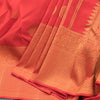
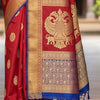
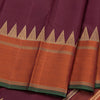
In Tamil Nadu, Kanchipuram weavers became renowned for their distinctive technique of interlocking borders and bodies, producing sarees known for durability and vibrant contrast colours. These sarees were traditionally woven with pure mulberry silk and real zari made of silver and gold threads, symbolizing prosperity and auspiciousness. Meanwhile, in Karnataka, Mysore silk weaving developed under royal workshops where craftsmen refined lightweight silk with subtle sheen and elegant motifs inspired by nature and architecture.
Historically, weaving families functioned as close-knit guilds, preserving secret techniques, loom settings, and dye formulas within their lineage. Skills were taught from childhood, ensuring continuity of craftsmanship across centuries. Despite industrialization and power looms, many traditional weavers still practice handloom weaving, maintaining authenticity and heritage value.
Today, South Indian silk sarees stand as living heirlooms—each piece reflecting centuries of skill, devotion, and cultural pride. Wearing one is not just a fashion choice but a tribute to the master artisans whose hands continue to keep this timeless legacy alive.