
A Significance of the Hamsa (Swan) Motif in Kanchipuram Silk Sarees
Bridal Silk Sarees: History, Relevance, and Significance of the Hamsa (Swan) Motif in Kanchipuram Silk Sarees
Bridal silk sarees play a vital role in Indian weddings, symbolising purity, prosperity, and sacred beginnings. Among the many traditional designs woven into Kanchipuram silk sarees, the Hamsa motif, also known as the swan motif, holds deep cultural and spiritual significance. Its elegance and symbolism make it a cherished choice for bridal silk sarees.
Historically, the Hamsa has been revered in Indian philosophy and temple art as a symbol of wisdom, purity, and discernment. It is closely associated with Goddess Saraswati, the deity of knowledge and grace. Inspired by temple sculptures and ancient manuscripts, master weavers of Kanchipuram incorporated the swan motif into silk sarees as a representation of harmony and auspiciousness. Traditionally, the Hamsa motif was woven using pure zari, highlighting its importance in ceremonial attire.
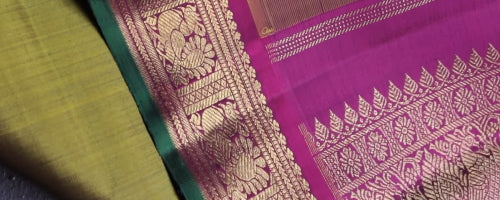
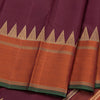
In Kanchipuram bridal silk sarees, the swan motif is commonly featured along the borders or pallus, sometimes appearing as repeating patterns across the saree body. Woven using pure mulberry silk and traditional handloom techniques, these sarees are known for their durability, rich texture, and timeless appeal. The motif adds a sense of softness and grace, balancing the grandeur of zari work.
Even today, Hamsa motif Kanchipuram silk sarees remain highly relevant. Modern brides seek sarees that blend tradition with elegance, and the swan motif perfectly embodies both. Its association with purity and new beginnings makes it ideal for wedding rituals and sacred ceremonies.
Today, brides prefer to buy authentic Kanchipuram silk sarees online from trusted brands like Kumaran Silks. Choosing a swan motif bridal silk saree is not just a style statement—it is a celebration of heritage, symbolism, and exquisite South Indian craftsmanship.


%20Motif%20in%20Kanchipuram%20Silk%20Sarees)